Norweco Singulair Green and Water Conservation at Home
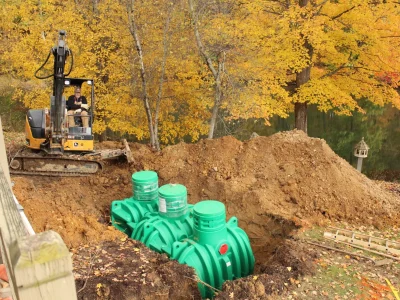
Homeowners usually start thinking seriously about water only after something goes wrong. A soggy patch in the yard, slow drains, odors near the tank lid, an unexpectedly high water bill, or a service technician explaining that the treatment system is being overloaded can turn a vague concern into a very practical one. That is where the conversation around the norweco singulair green system becomes useful. It sits at the intersection of wastewater treatment, household habits, and long-term property stewardship.
For many homes, especially those outside municipal sewer service, the wastewater system is not an invisible utility. It is an active piece of infrastructure that depends on design, maintenance, and daily water use patterns. Water conservation is often discussed as an environmental virtue, which it is, but in homes with on-site treatment it is also a mechanical and biological necessity. Use too much water, or use it in the wrong way, and even a well-designed system can struggle. Use water thoughtfully, and the system tends to perform more reliably, last longer, and create fewer expensive surprises.
The norweco singulair green is often considered by homeowners looking for a residential wastewater treatment solution that goes beyond a conventional septic setup. The appeal is easy to understand. People want reliable treatment, a smaller environmental footprint, and a system that can fit sites where soil conditions, lot size, or regulatory requirements make a basic tank-and-field arrangement less practical. Still, no treatment unit, no matter how capable, removes the need for sensible water use. In real homes, conservation and treatment performance work together.
Why treatment systems and water habits are tied together
A wastewater treatment unit is not just a container that stores water until it disappears. It is a living process. Solids settle, bacteria break down waste, oxygen supports treatment, and clarified effluent moves through the system in stages. That process depends on time. The wastewater needs enough detention time for separation and treatment to happen properly. When a house sends large surges of water through the system, that time can shrink.
A simple example makes the point. Imagine a family that does four loads of laundry back-to-back on Saturday morning, runs the dishwasher twice, and has two teenagers taking long showers before sports practice. Even if the daily total gallons used does not look extreme on paper, the timing matters. Hydraulic surges can stir solids, push partially treated water forward too quickly, and reduce overall treatment quality. That pattern is one of the most common reasons service professionals see systems underperform even when the homeowner insists they are not using "that much" water.
Conservation, then, is not only about lowering the number on the water meter. It is about smoothing the flow. A treatment system generally performs better when water enters it at a more even pace throughout the day and week. Homes that understand this often have fewer nuisance issues than homes with identical equipment but more erratic habits.
What the Norweco Singulair Green represents for a homeowner
The norweco singulair green name is associated with an advanced residential treatment approach. Exact configurations can vary by installation and local approval requirements, so it is important to rely on system-specific documentation and your installer’s guidance. Broadly speaking, homeowners are looking at a treatment setup intended to provide a high level of wastewater treatment in a compact footprint relative to some traditional alternatives.
That matters on difficult sites. I have seen properties where a conventional drainfield layout was constrained by shallow soils, awkward grading, limited separation distances, or a small buildable area. In those cases, a more advanced treatment unit can open possibilities that a basic system cannot. It can also help when local rules demand a stronger level of treatment before discharge to downstream components.
Still, the sales conversation sometimes creates the wrong expectation. People hear "advanced treatment" and assume they can stop thinking about their habits. They cannot. Better equipment is not a license for abuse. It is more accurate to say that a system like this can perform very well when it is properly selected, correctly installed, routinely maintained, and paired with sensible water use indoors.
Water conservation is not only about scarcity
The phrase "water conservation" can sound abstract in a rainy region or on a property with a private well. Homeowners sometimes say, with some sincerity, that they are not worried about running out of water. Fair enough. But wastewater systems do not care whether the source was a municipal line or a deep well. They care about flow volume, peak surges, detergents, solids loading, and maintenance.
There are four practical reasons to conserve water at home when you rely on on-site treatment. First, lower water volume generally means less hydraulic stress on the system. Second, reduced flow often improves treatment consistency by preserving retention time. Third, lower indoor use can postpone wear on pumps, aerators, and related components, depending on the configuration. Fourth, disciplined water habits often reveal leaks early, and leaks are one of the quietest ways to overload a treatment system.
A leaking toilet can move an astonishing amount of water over time. Homeowners tend to notice a dripping faucet because they can hear it. They often miss a toilet flapper that is not sealing properly because the sound is intermittent or subtle. Yet a running toilet can send dozens, and sometimes far more than a hundred, gallons a day into the system. In treatment terms, that is not a small issue. It is a permanent hydraulic burden that serves no useful purpose.
How indoor water use really affects performance
The trouble with water overuse is that it often arrives in ordinary forms. Few families wake up and decide to abuse their system. They just live in a way that clusters demand.
Morning routines are a good example. Three showers, toilet flushing, handwashing, and a washing machine cycle can all stack into a narrow ninety-minute window. Then in the evening, dinner cleanup and more showers create another peak. If those periods become extreme, the system gets pulses instead of a manageable flow profile.
Laundry deserves special attention because it is one of the easier habits to change. Older top-load washers can use significantly more water than many modern high-efficiency models. Even with a newer washer, running multiple loads in a row can create a sharp surge. Spacing loads across the week is often one of the simplest ways to protect treatment performance without asking anyone to sacrifice cleanliness or convenience.
Showers are similar. It is not necessary to reduce every shower to a military exercise, but fixture choice and household rhythm matter. A low-flow showerhead can make a meaningful difference over the course of a month, and the comfort trade-off is usually much smaller than people expect if the fixture is well chosen. Likewise, staggering showers by an hour or two can help more than most households realize.
Dishwashers often get blamed unfairly. A modern dishwasher, used efficiently, can compare favorably with handwashing from a water standpoint. The real issue is whether the dishwasher is run half-empty several times a day or sensibly once when full. The machine itself may not be the problem. The pattern is.
Where homeowners get into trouble
Advanced residential treatment systems can be forgiving in some ways, but several recurring mistakes show up across many properties. One is treating every drain as harmless because "it all goes to the tank anyway." That mindset ignores chemistry and biology. Harsh cleaners, paints, solvents, oils, or inappropriate antibacterial products can interfere with treatment. Another mistake is assuming that because the lawn above part of the system looks normal, everything below ground must also be normal. System trouble often develops quietly before a visible symptom appears.
A third problem is neglecting service intervals because the home seems to be functioning fine. Wastewater systems rarely reward neglect. By the time there is a strong odor, backup, or wet area, the problem is usually more expensive than it would have been at the first maintenance visit that got skipped.
The fourth issue is underestimating occupancy changes. A retired couple may have used the home in a way that matched the original design nicely. Then adult children return for a year, grandchildren visit often, or the property begins hosting regular guests. The system did not change, but the loading did. Water conservation becomes more important, not less, as occupancy rises.
The role of maintenance in water conservation
Conservation and maintenance are often discussed separately, but in practice they reinforce each other. A well-maintained system gives you a better chance of spotting wasteful patterns early. A conscientious service provider may notice signs of hydraulic overloading, unusual solids carryover, or evidence that a component is cycling more than expected. Those clues can point back to household water use, even before the occupants notice anything indoors.
Routine maintenance also protects the investment. A homeowner might spend a fair amount on an advanced treatment system, only to undermine it with preventable neglect. Aeration components, controls, pumps, alarms, and treatment chambers all depend on periodic inspection. The details differ by installation, and the proper schedule should come from the manufacturer’s guidance and local requirements, but the larger point is simple. Maintenance is not an optional extra. It is part of ownership.
One service technician I spoke with years ago put it bluntly to a homeowner who kept postponing a scheduled visit: "You can pay for observation now or excavation later." That was not salesmanship. It was experience. Wastewater systems are much cheaper to inspect than to rebuild.
Practical ways to reduce water stress at home
The best conservation measures are the ones people actually keep doing. Grand gestures rarely last. Small changes that fit household routines usually do.
- Repair leaks promptly, especially running toilets and dripping fixtures.
- Spread laundry loads across the week instead of doing them all in one block.
- Install efficient showerheads and faucet aerators where comfort remains acceptable.
- Run dishwashers and washing machines with full, appropriate loads.
- Avoid long periods of simultaneous high water use, especially in larger households.
None of those steps are dramatic, but together they can change the hydraulic life of a treatment system. Just as important, they do so without turning the home into a laboratory. Most families can adopt these habits with little friction once they understand why the timing and volume matter.
What conservation looks like in an actual household
A lot of advice sounds reasonable until it collides with family life. Consider a five-person household with two adults, two school-age children, and one grandparent. Mornings are tight, evenings are busier than expected, and weekends generate the biggest loads. If that home has a norweco singulair green system, the conservation conversation should be realistic.
It may not be possible to eliminate stacked shower times on school days, and that is fine. But the family can move laundry to Tuesday, Thursday, and Saturday instead of norweco singulair green all on Sunday. They can replace an aging toilet that uses much more water per flush than modern models. They can avoid starting the dishwasher at the same moment someone begins a bath. They can teach children not to use the toilet as a trash can for wipes, paper towels, or hygiene products, all of which create a different class of problem. They can also keep an eye on guest periods, such as holidays, when water use spikes well beyond normal occupancy.
In practice, that kind of moderate adjustment often matters more than chasing a theoretical minimum gallon target. The goal is not austerity. The goal is stable, predictable loading.
Fixture upgrades and the hidden economics
People often focus on the purchase price of efficient fixtures and appliances, which is understandable, but it is only part of the equation. In homes served by on-site wastewater treatment, lower water use can produce layered benefits. Municipal customers may see a lower water bill. Well users may reduce pump cycling. The treatment system may experience fewer hydraulic peaks. Downstream dispersal components may face less stress. Over time, those effects can be worth more than the fixture itself.
That said, not every "green" upgrade is automatically wise. Ultra-low-flow fixtures that perform poorly can encourage workarounds. If a toilet requires repeat flushing to clear properly, the paper savings on the box do not reflect real use. If a showerhead is so unsatisfying that every family member doubles shower length, the rated flow alone will not tell the true story. Good product selection matters. So does honest observation after installation.
Appliances deserve the same practical mindset. High-efficiency washers usually help, but households should pay attention to detergent use and cycle choice. Too much soap creates its own problems, and the wrong cycles can consume more water than expected. Reading the manual is not glamorous, but it beats assumptions.
Yard irrigation, drainage, and the bigger water picture
When people hear "water conservation at home," they often think only of faucets and toilets. Outdoor water management also matters, especially on properties with wastewater components below grade. You do not want extra surface water entering places it should not, and you do not want roof runoff or poor grading creating saturated conditions around system areas.
This is not merely a landscaping issue. Excess water in the wrong place can compromise soil performance, interfere with proper dispersal, and make diagnosis harder when problems arise. A homeowner may assume the treatment unit is failing when the real issue is site drainage. Conversely, poor drainage can worsen a system that is already under stress.
Keep the distinction clear. Water conservation indoors reduces wastewater volume entering the system. Good drainage outdoors helps prevent unnecessary water from affecting the treatment or dispersal environment. Both are part of responsible ownership.
Questions to ask before and after installation
Some homeowners inherit a system with the house and receive very little explanation. Others are choosing a treatment system during new construction or a replacement project. In both cases, good questions save trouble.
Before installation, ask how the system should be maintained, what occupancy and flow assumptions were used in design, what local permits require, and how alarms or controls notify the owner of a problem. Ask what products should not be introduced into the system. Ask how laundry and peak-use behavior affect performance. A good installer or service provider should be able to discuss these points plainly.
After installation, keep records. Save service reports. Note pump-outs, inspections, repairs, and any changes in household size. If odors, wet spots, or alarm events occur, write down what was happening in the house at the time. That context helps professionals diagnose the issue faster. A surprising number of wastewater mysteries become less mysterious when someone notices that every problem occurs after holiday guests arrive or after twelve loads of bedding are washed in one day.
Signs that conservation needs more attention
Sometimes the system itself begins hinting that household water use has drifted out of balance. The warning signs are not always dramatic. Toilets may start gurgling occasionally. Drains may seem slower during high-use periods but recover later. The yard may show seasonal dampness near sensitive areas. Service visits may reveal more carryover or stress than expected. If your water bill climbs without a clear explanation, that is a clue too.
The smart response is not panic. It is investigation. Start with leaks, occupancy changes, fixture performance, and water-use timing. Review whether any habits have shifted over the last year. Did remote work increase daytime use? Did a guest suite become occupied? Did a teenager discover the therapeutic power of a forty-minute shower? Homes evolve. Water patterns follow.
The environmental side, without the slogans
It is easy to lapse into generic environmental language when discussing advanced treatment and conservation, but the reality is more tangible than that. Better treatment and lower wastewater stress can mean better protection for groundwater, nearby soils, and local watersheds, especially in sensitive areas. That matters, but homeowners usually engage most when the benefits are connected to their own property first. Reliable operation, fewer emergencies, lower utility use, less wear on equipment, and a lower chance of expensive corrective work are concrete outcomes.
The environmental gain is then not an abstract moral bonus. It is the direct result of a home operating responsibly.
A sensible standard for living with a Norweco Singulair Green system
Owning a norweco singulair green system should not make a home feel restrictive. It should, however, encourage a more informed relationship with water. That means understanding that treatment quality depends on both technology and behavior. It means recognizing that leaks matter, timing matters, maintenance matters, and occupancy matters. It means resisting the common temptation to think that because a system is advanced, it is invulnerable.
The best-run homes tend to share the same mindset. They do not obsess over every gallon, but they do pay attention. They fix leaks quickly. They avoid unnecessary surges. They maintain the system on schedule. They ask questions when conditions change. They treat the wastewater system as a working part of the property, not as a buried mystery.
That approach usually pays off twice. It protects the treatment system, and it builds everyday conservation habits that make the whole home run better. For families trying to balance comfort, cost, and environmental responsibility, that is not a small thing. It is one of the rare cases where common sense and good infrastructure pull in the same direction.
Excavating New Jersey LLC
406 County Rd 565, Wantage, NJ 07461, United States
+1 973-791-4284
FAQ About norweco singulair green
How much does a NORWECO septic system cost?
The installed cost depends on the selected unit, engineering, site access, excavation, electrical work, disposal-field design and required approvals. A tank-only price is not a complete installation quote. Ask Excavating New Jersey LLC for a site-specific, itemized estimate that also explains ongoing service costs.
How does a Norweco septic system work?
The Singulair Green uses pretreatment, aeration, clarification and filtration to treat domestic wastewater. In the aeration chamber, oxygen supports bacteria that break down organic material. The Bio-Kinetic unit provides further filtration and flow equalization. Final effluent disposal must follow the property's approved design and applicable requirements.
What is the average lifespan of a septic system?
There is no guaranteed lifespan for every system. Design, installation, soil conditions, wastewater loading and regular maintenance all matter, and mechanical parts may need replacement before the tank. For a Singulair Green system, follow the manufacturer's service schedule and have a qualified provider assess its condition and pumping needs.
Ends · PAXTONYIBG438