How to Maximize the Efficiency of Norweco Singulair Green

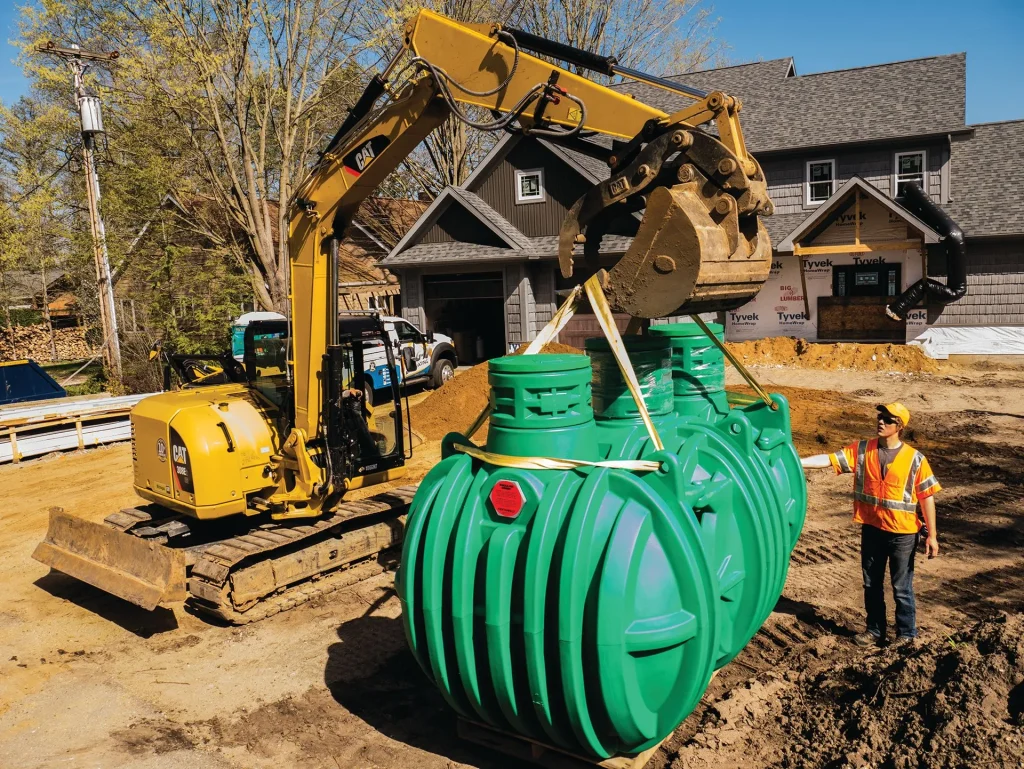
A Norweco Singulair Green system can perform exceptionally well for years, but only when it is treated like the mechanical wastewater treatment plant it is, not like a passive septic tank that can be forgotten after installation. That distinction matters. Many owners assume that once the tank is buried and the alarms are quiet, the job is done. In practice, the best results come from steady biological activity, proper aeration, controlled water loading, and regular observation.
Efficiency, in this context, is not just about saving electricity. It means getting reliable treatment, maintaining a healthy aerobic process, avoiding nuisance odors, reducing sludge problems, protecting the dispersal field or discharge point, and extending the life of the equipment. When a Norweco Singulair Green system runs efficiently, the wastewater looks and behaves the way the manufacturer intended after treatment. When it does not, small symptoms tend to appear before big failures do.
The good news is that most efficiency gains come from practical habits rather than expensive upgrades. In the field, the difference between a trouble-free unit and a chronic service headache is often found in a few ordinary things: what gets flushed, how much water enters the tank in a short period, whether the aeration equipment is running correctly, and how faithfully routine service is handled.
Start with the way the system actually works
The norweco singulair green is an aerobic treatment system. Unlike a conventional septic tank, which relies mainly on settling and anaerobic digestion, this unit uses aeration and staged treatment to support bacteria that need oxygen to break down waste more aggressively. That usually means better effluent quality, but it also means the system depends on mechanical components and a more stable treatment environment.
At a basic level, wastewater enters the system, solids settle or are retained where they should be, aerobic bacteria digest organic matter in the aerated zone, and treated effluent moves on for final clarification and discharge or soil dispersal, depending on the installation. Every part of that sequence matters. If solids are carried over because sludge is too high, if oxygen drops because the aerator is failing, or if hydraulic flow surges overwhelm the chambers, efficiency falls quickly.
Owners who do best with these units learn to think in terms of biology and hydraulics. The bacteria need food, but not toxic shocks. The system needs flow, but not sudden overloading. The equipment needs power and air movement, but not neglect. Once you understand those three pressures, most smart operating decisions become obvious.
Water use habits have more impact than most people realize
One of the fastest ways to reduce treatment efficiency is hydraulic overloading. That sounds technical, but in a house it usually looks ordinary. Three loads of laundry back to back, a long shower cycle for multiple guests, a leaking toilet flapper that runs all day, or a water softener regeneration dumping at the wrong time can all push more water through the plant than it can treat optimally.
Aerobic systems are not magic. They still need retention time. Wastewater has to remain in each treatment stage long enough for settling, aeration, and clarification to happen. When too much water enters too quickly, solids can be stirred up or carried into places they should not be. The result may not show immediately at the sink or toilet, but it often shows up later as poorer effluent quality, more frequent service calls, and stress on the disposal area.
In real-world use, spreading water demand across the day makes a noticeable difference. A household of four can often operate quite comfortably with normal appliances and fixtures if use is staggered. The same household can cause recurring treatment issues if all heavy water tasks are stacked into a two-hour window every Saturday morning.
Leaks are even more deceptive because they feel small. A toilet leak can send dozens or even hundreds of gallons a day into the system. By the time an owner notices the electric bill or hears water running, the treatment unit may have been overloaded for weeks. If you want the norweco singulair green to run efficiently, the first place to look is often inside the house, not in the yard.
Protect the bacterial population like it matters, because it does
Every aerobic treatment unit depends on a healthy microbial community. Those organisms are doing the heavy lifting. They digest waste, reduce organic loading, and support the quality of the final effluent. If you repeatedly injure that microbial population, the system can still look normal from the outside while treatment performance declines inside.
The most common problem is chemical shock. Strong disinfectants, bleach-heavy wash cycles, solvent-based cleaners, paint residues, pesticide rinses, and antibacterial products used in excess can all suppress biological activity. That does not mean you can never clean your home properly. It means moderation matters. Normal residential cleaning, spread out over time, is usually manageable. Dumping a half bucket of concentrated mop water, stripper, or harsh degreaser into the plumbing is another story.
Kitchen practices also matter more than owners expect. Grease is especially hard on treatment systems. In an aerobic unit, fats, oils, and grease can interfere with biological breakdown, build up in unwanted places, and contribute to scum accumulation that disrupts treatment stages. Food scraps, coffee grounds, and fibrous waste are just as troublesome. A sink drain is not a disposal path for whatever is left after dinner.
A good rule from the service side is simple: if it would be difficult for bacteria to digest, likely to float, likely to settle heavily, or likely to poison the process, keep it out of the system.
Air delivery is where efficiency becomes mechanical
When a conventional septic tank underperforms, the issue is often hidden for a long time. When an aerobic system loses air, the clock starts running immediately. The aeration equipment is central to treatment quality. If the compressor, aspirator, motor assembly, or associated components are not working correctly, oxygen levels fall and the whole process drifts away from its design condition.
That is why alert systems and service inspections matter. A slight change in sound from the aerator, a persistent alarm, reduced turbulence where there should be active mixing, or unexplained odors near the tank are not things to ignore until next month. In the field, owners sometimes become accustomed to a “quirky” unit that alarms on and off. That is almost always a mistake. Intermittent air problems tend to become solids carryover problems, sludge management problems, and discharge quality problems.
An efficient system usually has a stable rhythm. The components run as designed, air is moving, wastewater is circulating through the intended treatment stages, and there are no signs of chronic stress. Once that rhythm is interrupted, energy use can actually rise while treatment quality falls, because mechanical parts may be working harder under worse conditions.
If you hear unusual operation or the alarm panel indicates trouble, call for service promptly. Quick action is often the difference between a simple adjustment and a larger cleanup.
Sludge and scum control are not glamorous, but they are essential
A common owner misconception is that aerobic treatment eliminates pumping needs. It does not. Even a well-functioning Norweco Singulair Green system accumulates solids over time. Biological treatment reduces waste, but it does not make all solids disappear. If sludge and scum are allowed to build beyond acceptable levels, usable treatment volume shrinks and carryover risk rises.
Think of treatment capacity as partly biological and partly physical. The bacteria can only work well if the chambers still have room to separate and retain solids properly. Once that space is compromised, the system starts behaving differently. Clarification worsens. More suspended matter moves downstream. Components see more debris than they should.
Pumping frequency depends on household size, actual water use, habits, and service observations. A lightly used vacation property may go much longer between pump-outs than a full-time home with children, guests, and heavy laundry volume. The right schedule is not one-size-fits-all. It should be based on inspection findings, not guesses or wishful thinking.
One of the more expensive mistakes I have seen with aerobic units is postponing pumping because “everything still seems fine.” By the time symptoms appear at the surface, in the discharge, or at the alarm, the solids problem has usually been developing for quite a while.
The disposal area deserves just as much attention as the tank
Owners often focus on the treatment unit and forget that efficiency includes what happens after wastewater leaves it. If the downstream disposal field, drip system, spray field, or other approved discharge arrangement is stressed, restricted, or poorly maintained, the treatment process as a whole suffers.
A saturated dispersal area can back up the whole chain. So can compacted soil, root intrusion, damaged pipes, broken spray heads, and surface drainage that directs stormwater where it does not belong. Even excellent treatment inside the unit cannot overcome a failed or overloaded discharge area.
The most efficient setups are usually the ones with good site discipline. Vehicles stay off the field. Deep-rooted trees are not allowed to invade the lines. Gutters, downspouts, and grading move rainwater away from the treatment and dispersal zones rather than toward them. Surface water infiltration is a hidden enemy because it increases hydraulic load without adding any wastewater that actually needs treatment.
If your system uses spray irrigation or another visible final dispersal method, visual checks become even more valuable. Uniform distribution, normal timing, and absence of soggy spots tell you a lot. Changes in those patterns should be investigated before they become chronic.
Service contracts are not just paperwork
Many jurisdictions already require regular inspection and reporting for aerobic units, and for good reason. A norweco singulair green system has moving parts, biological treatment stages, and operational settings that benefit from trained eyes. The best service technicians do much more than sign a form. They check component function, confirm air delivery, inspect sludge and scum levels, evaluate effluent clarity, note unusual odors, and spot wear before it turns into failure.
Owners sometimes treat service visits like a regulatory nuisance. In practice, they are one of the biggest efficiency tools available. A competent inspection can catch a weak compressor, a developing clog, a float issue, or abnormal solids accumulation long before it becomes a costly event.
This is also where records matter. If you keep a simple history of pump-outs, alarm events, component replacements, and seasonal occupancy changes, trends become easier to see. A technician who knows the unit has handled six people full time for the last year, rather than two weekend users, can interpret conditions more accurately.
What should never go into the system
Most damage to treatment efficiency starts with inputs that never belonged in the plumbing. The fewer surprises you send to the unit, the more consistent it will be.
- Grease, cooking oil, and meat fats
- Wipes, hygiene products, paper towels, and dental floss
- Paint, solvents, fuels, pesticides, and pool chemicals
- Large doses of bleach or antibacterial cleaners
- Cat litter, coffee grounds, and fibrous food waste
Products labeled flushable deserve special skepticism. From a treatment and pumping standpoint, many of them behave more like rag material than toilet paper. They do not break down quickly enough, and they create avoidable service problems.
Seasonal occupancy changes can throw the system off
Vacation homes and part-time residences present a different challenge. A system designed for steady residential loading often performs best with steady residential loading. Long periods of little or no use can reduce biological activity, while sudden holiday occupancy can hit the unit with a large surge before the microbial community is fully active again.
That does not mean the system cannot handle seasonal use. It means owners need to be thoughtful. If a property has been empty for weeks, it helps to resume water use in a gradual, normal pattern rather than arriving with a full house and immediately running every shower, washer, and dishwasher. The biology usually rebounds, but it does better with a gentle ramp than with an instant peak.
Cold weather can also change operating conditions depending on installation details and local climate. The buried treatment process is generally insulated by the ground, but exposed piping, risers, spray components, or shallow sections may need closer seasonal observation. Frozen discharge issues are not common everywhere, but where they do occur, they can reduce system efficiency fast.
Landscaping, access, and lid management affect long-term performance
It is surprisingly common to see well-designed treatment systems made harder to maintain by poor landscaping choices. Decorative boulders over access points, dense shrubs around lids, raised beds over piping, or fencing that prevents service access all increase labor and discourage timely maintenance. A system that is inconvenient to inspect tends to be inspected less carefully.
Keep access lids visible, accessible, and secure. Do not bury critical service points under mulch every spring. If lids settle, crack, or allow water infiltration, replace or repair them. Extra rainwater entering the unit through poor riser seals adds unnecessary hydraulic load and can confuse diagnosis during wet periods.
Landscaping should also respect root behavior. Attractive trees planted too close to tanks, lines, or spray areas can become expensive over time. Root intrusion does not always announce itself dramatically at first. Often it begins as reduced flow, localized saturation, or recurring maintenance on one segment.
If efficiency suddenly drops, look for the small cause first
When owners notice odor, wet areas, alarms, or poor discharge quality, the first reaction is often to assume catastrophic failure. Sometimes the problem is major, but often it begins with a smaller issue that has been allowed to persist. A bad float, a worn aerator component, a clogged filter or line, excess sludge, a leaking fixture, or household chemical overuse can all be the root cause.
The key is not to keep operating the unit as if the symptom will resolve itself. Aerobic systems are good at treatment, but they are not forgiving of prolonged neglect. Small mechanical or biological imbalances compound over time.
This is where practical observation helps. If the lawn near the dispersal area changed only after weeks of rain, infiltration may be part of the issue. If odors appeared just after a house party with heavy laundry and bathing, overloading may have contributed. If problems began after a switch to aggressive cleaning products, biology may have been hit. Context often narrows the diagnosis quickly.
A short operating routine that pays off
The most efficient systems are usually owned by people who pay light, regular attention rather than dramatic, infrequent attention. You do not need to hover over the unit. You do need a repeatable routine.
- Watch for alarms, unusual noise, or new odors
- Repair leaking toilets and fixtures immediately
- Spread out laundry and other heavy water use
- Keep service visits and pumping on schedule
- Protect the disposal area from traffic and runoff
That routine is simple, but it addresses the biggest causes of reduced efficiency before they become expensive.
The best results come from consistency, not heroics
Maximizing the efficiency of a Norweco Singulair Green system is mostly about protecting stable conditions. Stable flow. Stable biology. Stable aeration. norweco singulair green Stable solids management. Owners sometimes look for additives, shortcuts, or one-time fixes that promise to boost performance. In most cases, the system performs best when the fundamentals are handled well and unnecessary disturbances are minimized.
If I had to reduce years of field experience to one piece of advice, it would be this: treat the unit like a living process supported by mechanical equipment. Because that is exactly what it is. Feed it ordinary domestic wastewater, not trash or chemicals. Give it time to treat by managing water use. Keep the air system functioning. Remove solids before they become a problem. Maintain the discharge area with the same care you give the tank.
Do that, and the norweco singulair green will usually reward you with the kind of efficiency that is almost invisible, quiet operation, dependable treatment, fewer emergencies, and a much longer service life for the entire system.
Excavating New Jersey LLC
406 County Rd 565, Wantage, NJ 07461, United States
+1 973-791-4284
FAQ About norweco singulair green
How much does a NORWECO septic system cost?
The installed cost depends on the selected unit, engineering, site access, excavation, electrical work, disposal-field design and required approvals. A tank-only price is not a complete installation quote. Ask Excavating New Jersey LLC for a site-specific, itemized estimate that also explains ongoing service costs.
How does a Norweco septic system work?
The Singulair Green uses pretreatment, aeration, clarification and filtration to treat domestic wastewater. In the aeration chamber, oxygen supports bacteria that break down organic material. The Bio-Kinetic unit provides further filtration and flow equalization. Final effluent disposal must follow the property's approved design and applicable requirements.
What is the average lifespan of a septic system?
There is no guaranteed lifespan for every system. Design, installation, soil conditions, wastewater loading and regular maintenance all matter, and mechanical parts may need replacement before the tank. For a Singulair Green system, follow the manufacturer's service schedule and have a qualified provider assess its condition and pumping needs.
Ends · PAXTONYIBG438