How to Choose a Contractor for Norweco Singulair Green in Wantage NJ

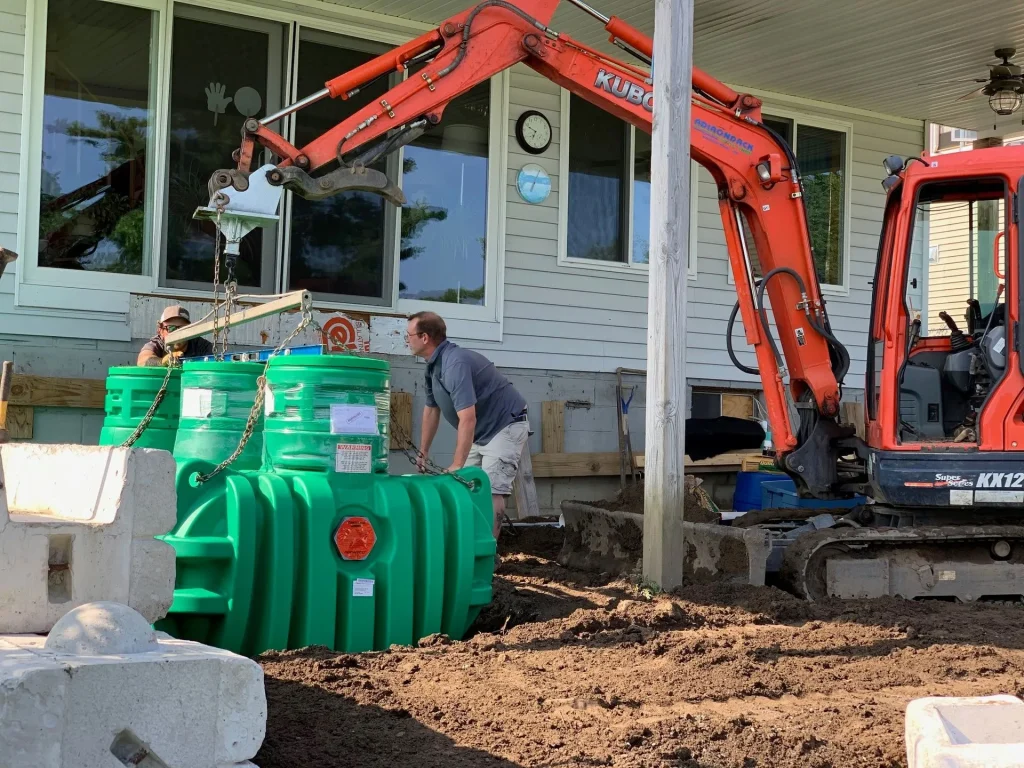
Choosing a contractor for a Norweco Singulair Green system is not the same as hiring someone to replace a water heater or pour a patio. You are dealing with wastewater treatment, local approvals, soil conditions, electrical components, service access, and a piece of equipment that needs to perform quietly and reliably for years. In a place like Wantage, where property layouts, grades, wells, and seasonal weather can complicate even straightforward septic work, the contractor matters as much as the product.
A good installation can run with minimal drama for a long time. A poor one can lead to nuisance alarms, drainage issues, premature component wear, permit trouble, and expensive rework that no homeowner wants to revisit. I have seen both outcomes. The difference often starts long before the machine arrives on site. It starts with how the contractor evaluates your property, explains the process, coordinates inspections, and talks about maintenance after the install is complete.
If you are specifically looking into a norweco singulair green Wantage NJ project, it helps to approach the hiring decision with a sharper eye than you might use for a general excavation bid. Price matters, but it should not be the only thing carrying the conversation.
Why this decision deserves more scrutiny
The Singulair Green line is a treatment system, not just a tank in the ground. That distinction changes the contractor selection process. You are not only paying for excavation and piping. You are paying for design coordination, code compliance, correct elevations, clean electrical work, startup procedures, and long-term serviceability.
In Sussex County and nearby parts of North Jersey, site conditions can shift quickly from one lot to the next. A property may look simple from the driveway, then reveal a high water table, awkward slope, rock, limited clearance to a well, or a tight route for machinery. A contractor who has local experience usually spots those issues early. A contractor who does not may bid low, then start adding costs after the permit is in motion or the yard is already opened up.
That is why the first meeting tells you a lot. If the person walks the site carefully, asks where the well is, checks grades, looks for roof leaders, asks about seasonal wet spots, and talks through access for future pumping and service, you are likely speaking with someone who understands the full life cycle of the system. If they only ask where you want the disturbed soil pushed and how soon you want the job done, keep looking.
Start with licensing, but do not stop there
Homeowners often ask the right first question and then stop too soon. Yes, you should confirm that the contractor is properly licensed and insured for the work they are performing. That is basic protection. But it does not tell you whether they have real familiarity with advanced treatment systems, nor whether they understand the municipal and county review process that can affect timing and approval.
A better conversation goes deeper. Ask how often they install treatment units of this type. Ask whether they coordinate directly with the engineer. Ask who handles the electrical connection. Ask who performs startup and whether routine service is available after installation. You are trying to figure out whether this is a one-off job for them or a regular part of their work.
Experience has texture. A seasoned contractor will mention practical details without being prompted. They might talk about protecting the unit from surface runoff, preventing vehicle traffic over treatment components, preserving access to lids, or planning trench routes that will not interfere with driveways and patios later. Those are the kinds of details that rarely show up in a cheap estimate but often define how satisfied you are two years later.
The local piece matters in Wantage
Wantage is not interchangeable with every other town in New Jersey. Local review standards, lot configurations, weather patterns, and the mix of older and newer homes all shape how septic and treatment projects unfold. Some sites have plenty of open space. Others are boxed in by setbacks, wells, property lines, existing systems, or topography. A contractor who regularly works in the region tends to navigate those constraints more smoothly.
That does not mean an out-of-town contractor cannot do good work. It means they need to prove they understand the local process and site realities. When they discuss your project, listen for specifics. Do they understand how long permit review may take? Do they communicate comfortably with engineers and inspectors? Do they know what can delay a project once excavation begins? Vague confidence is not the same as practical knowledge.
One homeowner I spoke with after a replacement project told me the contractor’s biggest strength was not speed. It was sequencing. They coordinated the excavation, tank setting, electrical work, and inspections so the family was not left with a torn-up yard for weeks. That kind of management usually comes from repetition, not guesswork.
A good estimate should answer more questions than it creates
A weak estimate is often just a price and a few generic lines. A strong estimate reads like the contractor has actually thought through your property and the scope of work. You should be able to see what is included, what is assumed, and what might trigger additional cost.
The most useful estimates describe the work in plain language. They note excavation and backfilling, system placement, piping, electrical coordination, grading, startup, and restoration expectations. They also explain allowances or exclusions honestly. For example, rock excavation, dewatering, imported fill, or unusual access challenges may be outside the base price. That is not a red flag by itself. Hiding those variables is the real problem.
Watch how a contractor discusses uncertain conditions. A reliable one will not pretend the unknowns do not exist. They will explain the most likely scenarios and tell you how they handle them. That kind of transparency is worth a lot. It helps you compare bids on substance instead of being seduced by a low number that grows once the machine arrives.
Questions worth asking before you sign
The right questions tend to reveal whether a contractor is organized, experienced, and realistic. Keep them short and direct.
- How many systems like this have you installed or coordinated in the past few years?
- Who handles permits, inspections, and communication with the engineer?
- What site conditions could change the price once work begins?
- Who performs startup, service, and warranty-related support after installation?
- What will yard restoration realistically look like when the job is done?
These questions work because they reach past sales language. A contractor with real depth can answer them clearly and without irritation. If every answer turns into a dodge, a vague reassurance, or a push to sign quickly, take that seriously.
References matter, but ask better reference questions
Most contractors can produce a few names of happy customers. The value comes from what you ask those people. Do not stop at “Were you satisfied?” Most people will say yes or no without giving much context. Ask what happened when something unexpected came up. Ask whether the job site was managed well. Ask whether the final cost matched the original explanation. Ask whether follow-up service was responsive.
A strong reference often includes a small imperfection and how it was handled. That is more believable than glowing praise without detail. On septic and wastewater jobs, there are almost always variables. If a prior customer tells you the contractor ran into rock, revised the approach, explained the added cost clearly, and still kept the project moving, that says more than a polished testimonial.
It also helps to ask whether the contractor protected the rest of the property. This is a point many homeowners underestimate. Good septic work is disruptive by nature, but it should not feel reckless. Contractors who care about finish quality plan equipment routes, stockpile soil sensibly, and restore grades with some pride. That matters when the machine leaves and you are looking at your yard every day.
Be careful with the lowest bid
The lowest price is not always wrong. Sometimes a contractor is genuinely more efficient, owns the right equipment, or has lower overhead. But on wastewater treatment projects, a very low number deserves scrutiny.
There are a few common ways a bid looks cheap at first. One is by leaving out work that is clearly necessary, then billing it later as a change. Another is by underestimating restoration. A third is by assuming easy digging, easy access, or simple electrical work without enough investigation. The worst version is when the installer treats the job like a basic septic replacement and not as a treatment system installation that requires more care.
I have seen homeowners save a few thousand dollars upfront and then spend much more sorting out grading issues, access lid problems, alarm troubles, or poor drainage around the install area. That does not mean you should pay any premium asked of you. It means you should understand what each price really includes and how each contractor thinks through risk.
The contractor should talk about maintenance without being pushed
One of the best indicators of professionalism is whether maintenance comes up naturally during the sales process. A contractor who understands the system knows the install is only the beginning. Access for service, placement of components, lid elevations, alarm visibility, and clean recordkeeping all affect long-term ownership.
If someone tries to close the sale without discussing service intervals, inspection expectations, or who to call if an alarm goes off, that is a warning sign. You do not need a lecture. You do need a practical explanation of what ownership looks like after the trench is closed.
For a norweco singulair green Wantage NJ installation, this matters even more because homeowners often assume every septic contractor services every treatment unit. That is not always the case. Some companies install, then hand off service to someone else. That arrangement can work fine if it is clear from the start. It becomes frustrating when the homeowner learns after the fact that the installer does not provide ongoing support.
Watch how they handle the site visit
There is a lot to learn from the first hour on your property. Good contractors notice things. They look for utility conflicts, grade transitions, drainage patterns, and practical access for both installation and future pumping. They ask where cars are usually parked. They ask if there are irrigation lines, invisible fences, or old abandoned tanks. They are trying to avoid surprises, not just make a sale.
Poor site visits feel rushed. The contractor may barely leave the driveway, throw out a broad estimate, and promise to “figure it out” later. That approach can work on simple jobs. It is not what you want on a treatment system.
Pay attention to whether the contractor explains their thinking. The best ones can translate technical constraints into normal language. They will tell you why a certain location is better, why access needs to stay open, or why grades matter for performance and service. You should leave the meeting feeling more informed, not more dependent on blind trust.
Red flags that deserve a pause
Sometimes the decision becomes clearer because a contractor shows you what not norweco singulair green Wantage NJ to accept. A few patterns come up often enough to mention.
- They pressure you to commit before engineering or permit details are clear.
- They dismiss maintenance as unimportant or “basically automatic.”
- They cannot explain who handles service after the installation.
- They give a very low number with little written scope.
- They speak poorly of every competitor instead of explaining their own process.
Any one of these may not be fatal in isolation. Together, they usually point to a contractor who is selling speed or price instead of competence.
Coordination with the engineer is a quiet but critical skill
Homeowners often focus on the installer because that is who they see on site. Yet some of the smoothest jobs happen because the contractor and engineer communicate well behind the scenes. If the engineer’s design intent is not understood in the field, small mistakes norweco singulair green Wantage NJ can ripple outward. Invert elevations, clearances, dosing details, venting considerations, and final grading all depend on people staying aligned.
Ask the contractor how they typically work with the engineer of record. Do they review plans before excavation? Do they call with questions instead of guessing? Do they document field changes if conditions differ from assumptions? That may sound procedural, but it directly affects whether your project feels controlled or chaotic.
A seasoned contractor respects the plan and also knows when to flag an issue before it becomes expensive. That balance is hard to fake. It comes from having made enough installations to know which details can be adjusted in the field and which ones should never be improvised.
Restoration quality tells you a lot about standards
Most homeowners remember two things after a septic or treatment system installation. First, whether the system works. Second, how their property looked when the crew left. Those two outcomes are connected more than people think.
Restoration is not cosmetic fluff. Proper grading affects drainage. Clean access points affect service. Sensible topsoil and seeding affect how quickly the area recovers. Even the path equipment takes across the yard can change how much compaction you deal with later.
Ask the contractor to describe what “restoration” means in their proposal. Some mean rough grading only. Others include topsoil, seed, and a more finished surface. Neither approach is automatically right or wrong if it is explained clearly. Problems arise when the homeowner assumes a lawn will be left neat and the contractor assumes restoration ends when the last bucket of soil is pushed flat.
If your property has special concerns, say so early. That might include stone drive edges, mature trees, drainage swales, decorative landscaping, or limited access that could affect disturbance. An attentive contractor will acknowledge those features and discuss what can realistically be protected.
Timelines should sound realistic, not optimistic
Every contractor knows homeowners want an answer to “How long will this take?” Good contractors answer honestly. They separate permit timing from field time. They explain weather delays, inspection dependencies, and what happens if subsurface conditions are worse than expected.
Be cautious when someone promises a frictionless schedule without caveats. In New Jersey, weather alone can disrupt excavation plans, especially in wet periods. Add approvals, inspections, and the realities of coordinating equipment and materials, and rigid promises start to look less credible.
That said, vagueness is not professionalism either. You want a contractor who can map the likely sequence, explain what controls the pace, and keep you informed if anything shifts. Communication is part of the service.
The best choice is usually the clearest one, not the slickest one
Homeowners sometimes expect the right contractor to be the most charismatic or polished. Sometimes that happens. Often, the best contractor is simply the one who answers plainly, writes a clear scope, acknowledges risk without drama, and talks about the system as something they intend to stand behind.
You should feel that they are building a durable installation, not just closing a sale. That comes through in small ways. They return calls. They follow up with revised details when asked. They identify possible site issues before you mention them. They do not oversell perfection. They explain what will happen if a problem appears. This is the texture of competence.
For a project involving a Norweco Singulair Green system in Wantage, that steady competence matters more than flashy marketing. Wastewater work rewards careful planning, accurate installation, and responsible follow-through. The right contractor understands that the job is not really about a tank, a trench, or a brand name. It is about protecting your property, your investment, and your peace of mind for years after the crew has packed up.
When you find a contractor who combines local familiarity, treatment-system experience, clear paperwork, and real post-install support, the decision usually feels less like a gamble. That is the standard worth holding.
Excavating New Jersey LLC
406 County Rd 565
Wantage, NJ 07461, United States
Phone: +1 (973) 791-4284
FAQ About norweco singulair green Wantage NJ
How does a Norweco septic system work?
Singulair Green uses aerobic biological treatment in a polyethylene tank, followed by settling and filtration. The treatment unit is one part of a complete wastewater system; the site design also determines how treated effluent is dispersed.
How much does a Norweco septic system cost in NJ?
A useful estimate requires a property evaluation. Excavation access, soil conditions, engineering, electrical work, the disposal field, and restoration can affect the total. Ask Excavating New Jersey LLC for a written scope that distinguishes installation costs from ongoing service costs.
Are Norweco septic systems good?
Singulair Green is an established aerobic treatment option, but suitability depends on the property and proposed design. Compare the model's documented performance, maintenance needs, and total project scope with alternatives before deciding.
Ends · PAXTONYIBG438